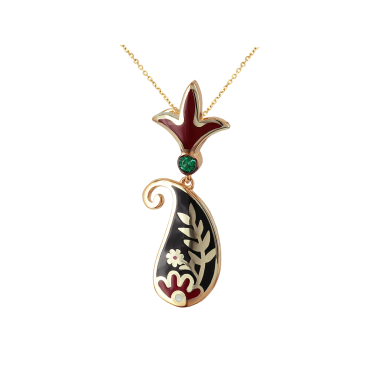
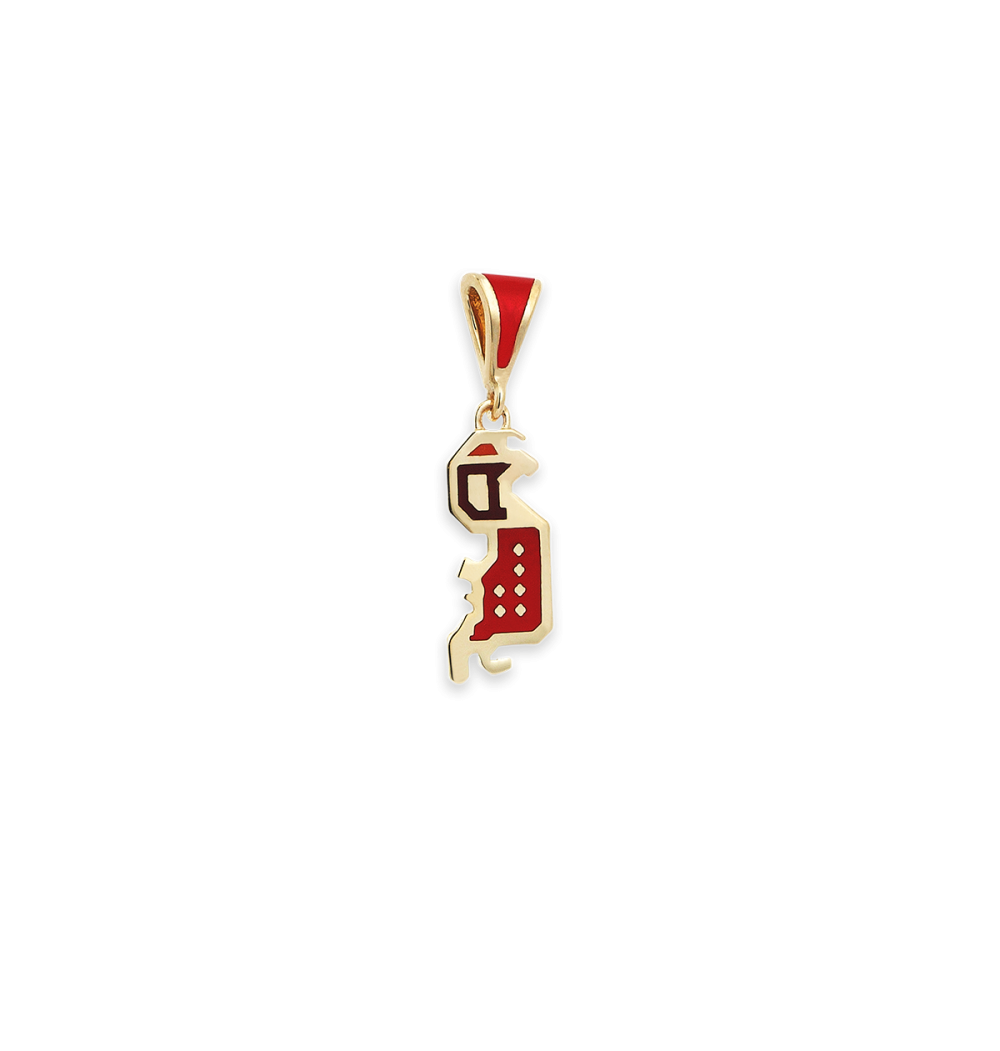
Dragon
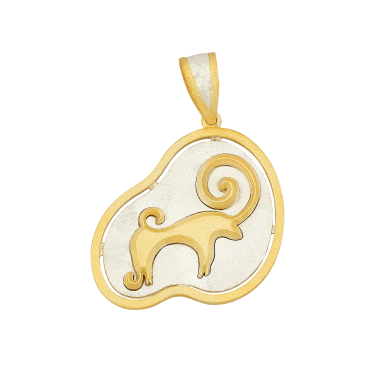
The “Dragon” carpets are regarded as some of the most exquisite examples of the Garabagh carpet school. Featuring a unique structure, these rugs often depict various mystical animals. This type of rug was predominantly woven in Garabagh, Shirvan, and Guba between the 16th and 18th centuries. Some textile fragments with dragon motifs have survived from the Ilkhanid period (13th – 14th centuries). In Azerbaijani decorative art, the dragon symbol, when used alone, signifies positive energy and may also represent water sources in Azerbaijani folk literature. In ancient Turkic mythology, dragons like “Büke,” “Evren,” “Kök-luu,” and “Abyrga” are symbols of might and power. Some historical sources even mention the “Dragon City” of the ancient Huns. In Kipchak culture, the “Begsha” dragon was seen as a symbol of the family hearth. Numerous pile and flat-woven carpets from the Safavid period also feature dragon motifs.
Description
Description
Types: 14K Gold
Stone: No stone
Color: Red
Gender: Woman